What to Look for in a St. Louis Architecture Firm for Quality Building Design
What to Look for in a St. Louis Architecture Firm for Quality Building Design
Blog Article
Best Design Firm: Producing Inventive Spaces for Up-to-date Living
Renowned design companies are reshaping the notion of contemporary life through innovative creations. They focus on blending functionality with sustainability, addressing urban challenges and evolving lifestyles. These companies employ intelligent systems and eco-friendly resources to create adaptable spaces. As they prioritize community interaction and resilience, the impact of their work extends past aesthetics. What are the specific trends and practices that characterize their methodology? The answers may astonish many.
The Function of Architecture Firms in Modern Living
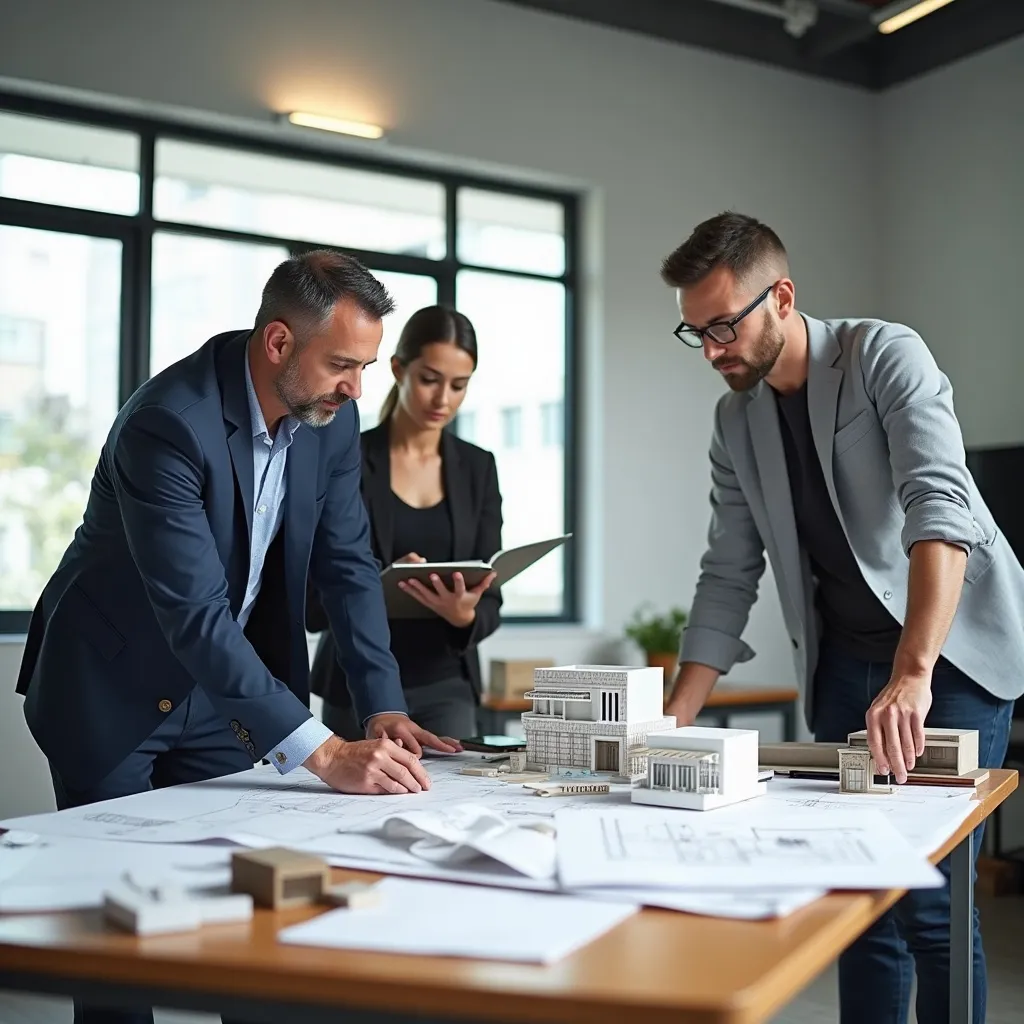
Given accelerating urbanization, architecture firms assume a critical role in constructing modern living environments. These firms are not merely visual creators; they are imaginative leaders who integrate functionality, sustainability, and aesthetics into their projects. By joining forces with urban planners and communities, they create spaces that express contemporary lifestyles while considering the needs of diverse populations.
Architectural practices leverage advanced materials and technological innovations to enhance energy efficiency and decrease environmental impact, meeting global sustainability goals. They focus on user experience, creating spaces that encourage social interaction and health.
Additionally, these enterprises are proficient at traversing regulatory frameworks, ensuring designs follow local codes while pushing creative boundaries. Their reach extends beyond individual buildings, influencing cityscapes and strengthening overall quality of life. Through deliberate design, architecture firms not only respond to current demands but also forecast future trends, making them essential players in the progression of urban living.
Key Challenges in Modern Architectural Planning
Contemporary architectural design encounters substantial challenges, mainly in sustainability and environmental impact. The incorporation of cutting-edge technology additionally complicates the design workflow, requiring adaptability to rapidly changing construction techniques and approaches. Tackling these problems is essential for developing spaces that satisfy contemporary needs while remaining environmentally responsible.
Sustainable Practices and Environmental Impact
Sustainability and environmental impact have become critical challenges in contemporary architectural design, driven by the urgent need to address climate change and resource depletion. Architects face the imperative to minimize carbon footprints while maximizing energy efficiency in their projects. This involves utilizing sustainable materials, optimizing water usage, and integrating green spaces within urban environments. The challenge lies in reconciling aesthetic aspirations with ecological responsibility, often requiring innovative solutions that rethink traditional building practices. Additionally, regulatory frameworks and client expectations can complicate the pursuit of sustainable design. As architects aim for harmony between human habitation and natural ecosystems, the integration of sustainable practices becomes essential for creating resilient, adaptable spaces that meet the needs of future generations.
Tech Synthesis and Responsiveness
While the rapid advancement of technology offers promising opportunities for architectural design, it also introduces considerable obstacles in maintaining flexibility within built environments. Architects must manage the complexities of integrating smart technologies, such as IoT systems and energy-efficient solutions, while guaranteeing structures remain adaptable to future changes. This requires a thoughtful approach to design that balances aesthetics with functional longevity. Additionally, the rapid speed of technological innovation can lead to obsolescence, prompting architects to reflect on interchangeable elements that can be easily updated or replaced. Collaboration with engineers and technology experts becomes essential to create spaces that not only satisfy current needs but also anticipate future demands. Ultimately, the ability to adapt is essential for sustainable and innovative architectural solutions.
Best Architecture Firms and Their Revolutionary Design Trends
As architectural firms keep advancing, leading firms are redefining the parameters of design with cutting-edge approaches that merge beauty and practicality. One notable trend identified in leading architecture firms is the focus on open floor plans, fostering flexibility and connectivity in contemporary homes. Additionally, the integration of nature-inspired design features, which feature plants and organic elements, enhances the overall wellness of occupants.
An significant trend is the use of prefabricated construction methods, allowing speedy assembly and responsiveness in multiple environments. Architects are increasingly focusing on occupant-focused designs, personalizing spaces to meet the unique demands of communities and individuals.
In addition, the implementation of smart technology is modifying traditional architectural practices, promoting enhanced user interaction and energy efficiency. Via these innovative design trends, top architecture firms are guiding the future of living spaces, generating environments that are not only visually appealing but also highly functional.
Innovative Sustainable Practices in Architecture
Throughout the field of building design, innovative eco-friendly approaches are becoming increasingly necessary. Architects are now prioritizing sustainable building products, executing energy-efficient design strategies, and integrating waste reduction techniques. These approaches not only enhance the environmental profile of buildings but also strengthen long-term sustainability in the industry.
Eco-Friendly Construction Materials
A rising number of architects are employing green building materials as essential components of sustainable design. These materials, frequently harvested from renewable resources, limit environmental impact while enhancing aesthetic appeal. Innovations such as bamboo, reclaimed wood, and recycled metals are more commonly favored for their long-lasting nature and low carbon footprint. Additionally, manufacturers are producing eco-friendly substitutes for traditional materials, such as low-VOC paints and non-toxic insulation options. The integration of these materials not only promotes environmental stewardship but also supports healthier living spaces by lowering harmful emissions. Architects are progressively acknowledging that the deliberate choice of green building materials leads to a more responsible construction method, ultimately helping both occupants and the planet.
Effective Energy Design Practices
The choice of green building materials paves the way for adopting energy-efficient design methods in architecture. Architects are progressively incorporating passive solar design, which maximizes daylight and minimizes energy consumption. Positioning of buildings is thoughtfully evaluated to enhance sunlight exposure while decreasing heat loss. Moreover, high-performance insulation and energy-efficient windows are employed to enhance thermal comfort and decrease dependence on heating and cooling systems. Incorporating clean energy sources, such as solar panels, supports sustainability goals. Additionally, intelligent building systems enable continuous energy tracking, ensuring optimal resource use. These strategies contribute to reduced energy consumption and a smaller carbon footprint, demonstrating a commitment to sustainable living in contemporary architecture.
Waste Lessening Approaches
Implementing waste control approaches is essential for encouraging sustainability in architecture. Leading firms are steadily adopting methods that cut down material waste throughout the design and construction stages. Techniques such as modular design allow for prefabrication, limiting excess materials and simplifying construction timelines. In addition, architects are prioritizing the use of salvaged or reclaimed materials, thereby lowering the demand for new resources. Waste audits during construction help recognize areas for improvement, empowering firms to track and reduce their waste output effectively. Moreover, integrating design for disassembly principles assures that buildings can be easily repurposed or recycled at the end of their lifecycle. These modern approaches not only contribute to environmental sustainability but also enhance the overall efficiency of architectural projects.
Modernizing Structural Design Using Technology
The field of architecture is being transformed by technology, which introduces cutting-edge instruments and approaches that reshape design procedures and results. Sophisticated applications allows architects to see ideas in three dimensions, facilitating better dialogue with clients and stakeholders. Building Information Modeling (BIM) improves collaboration, permitting various disciplines to work together smoothly throughout a project's duration.
Additionally, emerging technologies like virtual and augmented reality create immersive experiences, enabling clients to experience designs before construction starts. Construction automation strengthens efficiency, cutting time and costs while improving precision.
Sustainable innovations such as energy-efficient materials and intelligent building systems integrate seamlessly into contemporary aesthetics, advancing eco-conscious approaches. As architects progressively embrace these technological advancements, the sector undergoes a paradigm shift, fostering creative approaches that tackle modern issues. In the end, these advancements not only improves visual potential but also transforms how environments are envisioned, built, and utilized.
Influence of Design Trends on Day-to-Day Lifestyle
As innovation reshapes architectural practices, design trends increasingly shape daily living experiences. Contemporary approaches focus on open floor plans and multifunctional spaces, promoting flexibility and adaptability in urban environments. This change allows residents to maximize their spaces, fostering a sense of community and interaction.
Green materials and energy-efficient designs are also surging in demand, reflecting a rising societal priority regarding environmental responsibility. These trends not only strengthen aesthetic appeal but also strengthen healthier living conditions through upgraded air quality and natural light exposure.
Moreover, advanced home systems integration is changing how individuals interact with their spaces, providing practicality and enhanced performance. By adapting to the evolving needs of modern lifestyles, physical design reflects broader cultural shifts and elevates complete satisfaction. Ultimately, the bearing of design trends on daily living is profound, shaping how subjects engage with their environments and themselves in meaningful ways.
Picking the Correct Architecture Firm for Your Needs
What approach should one take when selecting the appropriate corresponding information architecture firm? This consideration entails several critical considerations. First, prospective clients must assess the firm's portfolio to ensure its creative direction matches with their vision. Next, evaluating the firm's background in distinct project types, such as residential, commercial, or sustainable design, can supply insight into their proficiency.
Client testimonials and reviews offer valuable perspectives on the firm's reliability and collaborative approach. Additionally, assessing the firm's method of managing projects and facilitating dialogue is essential; strong communication can greatly influence the project's success.
Budget factors are also paramount; clients should review fee structures in advance to avoid conflicts later. Finally, personal rapport with the architects can enhance collaboration throughout the design process. By carefully weighing these factors, clients can make informed decisions, ultimately leading to a productive partnership that meets their architectural needs.
Often Posed Inquiries
How Do Architecture Firms Guarantee Customer Contentment During Assignments?
Architecture firms ensure client contentment by maintaining open dialogue, incorporating feedback, setting realistic timelines, providing regular updates, and delivering high-quality designs that correspond to client visions, ultimately building confidence and teamwork throughout the entire project duration.
Which Certifications Matter Most When Selecting an Architect?
When choosing an architectural expert, one should consider their credentials, experience, portfolio, capacity for dialogue, and aptitude for comprehending client preferences. Additionally, familiarity with local regulations and sustainable practices can improve project outcomes and client fulfillment.
What Is the Typical Cost of Architectural Services?
Architectural offerings generally vary from $100 to $250 per hour, depending on the firm's standing and project complexity. Flat rates for specific projects may also be offered, frequently totaling 5% to 15% of building expenses.
Is it Feasible to Work With the Architect Directly on My Project?
Yes, direct partnership with the architect is regularly feasible. Many firms support client input to confirm projects represent personal visions, promoting communication and harmony throughout the design process for ideal results and satisfaction.
What Constitutes the Usual Timetable for an Structural Design Project?
The usual schedule for an architectural project fluctuates, typically ranging from several months to a number of years. Variables influencing this period consist of level of intricacy, approval processes, and client input, which all influence the total timetable.
Report this page